Eid ul Adha in Nawabshah
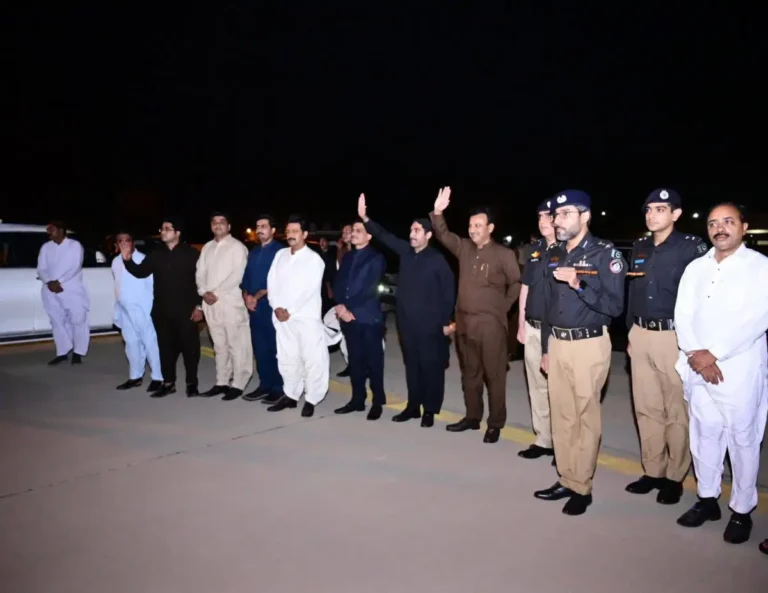
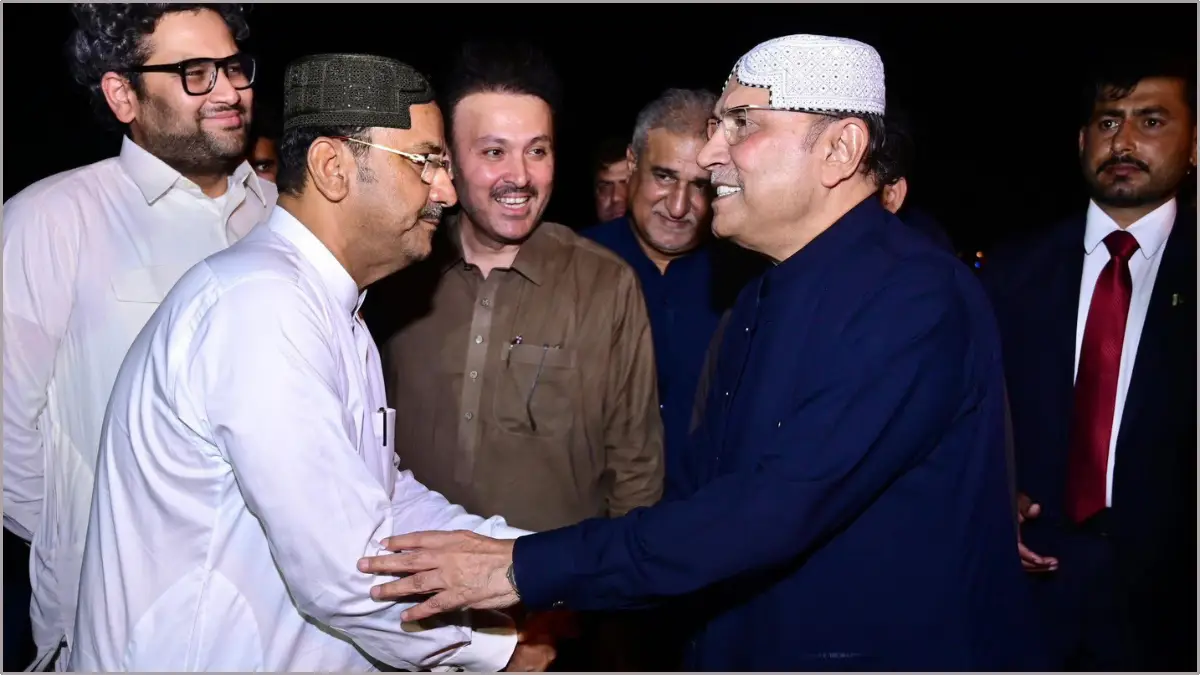
Arrival of President Asif to perform Eid ul Adha in Nawabshah
President Asif Ali Zardari reached Nawabshah to celebrate Eid ul Adha in his hometown. Upon arrival at the airport, he was warmly received by Sindh Interior Minister Zia-ul-Hassan Lanjar along with other senior political figures and local leadership. The reception reflected strong respect, political harmony, and long-standing association with the region.
The atmosphere at the airport and surrounding areas showed the importance of the occasion, as Nawabshah once again became the center of political and public attention during Eid celebrations.
Eid ul Adha Prayers in Nawabshah
Eid ul Adha prayers were offered across Nawabshah with deep devotion, religious spirit, and unity. Thousands of people gathered early in the morning at Eidgahs and mosques to perform the Eid prayer. The environment was filled with spiritual energy as people stood shoulder to shoulder, praying for peace, stability, and prosperity of Pakistan.
Religious scholars addressed the gathering and highlighted the importance of Eid ul Adha. They spoke about the great sacrifice of Prophet Ibrahim (A.S), explaining that Eid teaches the values of patience, obedience, selflessness, and willingness to help others. They emphasized that the real message of Eid is not only sacrifice of animals, but also sacrifice of ego, greed, and negativity in daily life.
Atmosphere of Peace, Unity, and Brotherhood
After the Eid prayers, people exchanged Eid greetings, embraced one another, and shared moments of joy. The entire city of Nawabshah remained peaceful, supported by strict security arrangements from local authorities.
Markets, streets, and neighborhoods reflected a calm and festive environment. The spirit of Eid was visible everywhere, as families visited relatives, shared meals, and participated in traditional celebrations. The occasion strengthened the feeling of brotherhood and unity among people from different walks of life.
Cultural and Social Importance of Eid in Sindh
Eid ul Adha in Sindh is not only a religious event but also a deeply rooted cultural tradition. In cities like Nawabshah, Eid brings people together regardless of social or economic background. It is a time when communities reconnect, forgive differences, and strengthen relationships.
Sindhi culture strongly values hospitality, unity, and respect for elders, and these values become more visible during Eid. Families prepare traditional meals, visit neighbors, and participate in communal gatherings, making Eid a true celebration of togetherness.
Political Tradition of Returning to Native Towns
One important tradition widely observed in Sindh and across Pakistan is that political leaders return to their native towns during Eid. This practice is not new but has been followed for many years. It reflects the close connection between leaders and their constituencies.
Eid provides an opportunity for politicians to step away from formal political settings and engage with people in a more personal environment. They meet their supporters, listen to local concerns, and share in the happiness of the community.
Asif Ali Zardari, like many other Sindhi political leaders, continues this tradition by spending Eid in Nawabshah. His presence in the city during Eid reflects this cultural and political practice where leaders maintain strong ties with their roots and local people.
Eid as a Time of Connection and Public Engagement
Eid is considered a time of reunion and social bonding. Families travel from different cities to their hometowns, and leaders also return to their native areas. This creates a unique environment where personal, social, and public relationships come together.
In Nawabshah, such visits by political figures are seen as part of a broader tradition where leadership remains accessible to the public. It strengthens trust and creates a sense of familiarity between citizens and their representatives.
Many elected representatives across Sindh also follow this pattern, offering Eid prayers in local mosques, visiting villages, and meeting people directly. This practice helps in maintaining strong community relations.
Public Meetings and Administrative Engagement
During his stay in Nawabshah, President Asif Ali Zardari also engaged with political leaders, ministers, and local representatives. These meetings included discussions on public issues, development projects, and administrative matters.
He emphasized the importance of resolving public issues at the local level and ensuring that development work reaches the people effectively. He also highlighted the need for continuous contact with citizens and special attention to underprivileged communities.
Such interactions reflect how Eid is not only a religious occasion but also a moment for social and administrative connection in Pakistan’s political culture.
Religious Message of Eid ul Adha
Religious scholars and community leaders once again reminded the public about the core message of Eid ul Adha. The festival represents the spirit of sacrifice, obedience to Allah, and compassion for others.
They explained that Eid teaches people to care for the needy, share blessings, and live with humility. The act of sacrifice is symbolic, reminding believers to give up personal desires for higher moral and spiritual values.
The message of Eid remains universal — peace, sacrifice, unity, and kindness towards humanity.
Security and Public Order
Strict security arrangements were put in place across Nawabshah to ensure peaceful Eid celebrations. Law enforcement agencies worked to maintain order, allowing citizens to celebrate without fear or disruption.
Due to these arrangements, the entire city remained calm and organized. People were able to move freely, visit relatives, and participate in Eid activities comfortably.
Conclusion: Tradition, Unity, and Cultural Identity
Eid ul Adha in Nawabshah once again highlighted the strong cultural, religious, and social traditions of Sindh. The city remained filled with peace, unity, and festive spirit as people came together to celebrate this sacred occasion.
The presence of President Asif Ali Zardari in his hometown reflects a long-standing tradition in Sindh where political leaders return to their native places during Eid. This practice is deeply rooted in cultural values and continues to strengthen the bond between leaders and their communities.
Eid is not only a religious festival but also a symbol of unity, connection, and shared identity. It brings families, communities, and leaders together in a spirit of simplicity and respect.
The tradition of returning to native towns during Eid, as seen across Sindh and practiced by many political figures including Asif Ali Zardari, continues to play an important role in maintaining cultural continuity and public connection.
In the end, Eid ul Adha in Nawabshah stood as a reflection of Pakistan’s social harmony, cultural depth, and enduring traditions that keep communities connected across generations.
FAQs about Eid ul Adha in Nawabshah
Where is Eid ul Adha usually performed by the President in Nawabshah?
Eid ul Adha prayers are commonly performed in Nawabshah at Zardari House or nearby Eidgahs, where family, local leaders, and citizens also join the gathering.
Why do senior political figures prefer celebrating Eid in their hometowns?
They prefer to spend Eid in their native areas to stay connected with roots, meet local communities, and take part in religious and social traditions in a familiar environment.
Is it a common practice among Pakistani politicians to return home on Eid?
Yes, many politicians across Pakistan return to their hometowns during Eid. It is a widely followed tradition that combines family time with public engagement.
What purpose does this Eid tradition serve in politics?
It helps strengthen public relations, maintain direct contact with voters, and reinforce trust between elected representatives and local communities
Do politicians continue this practice after being elected to higher offices?
Yes, most elected leaders continue this tradition even after holding high offices, as it is considered an important part of cultural and political connection with their constituencies
What does this tradition reflect in Pakistani culture?
It reflects strong cultural values of togetherness, respect for roots, and maintaining close community ties, especially during important religious occasions like Eid.