
Asif Ali Zardari: The First Civilian Elected President of Pakistan Twice
Asif Ali Zardari holds a rare distinction in Pakistan’s political history: he is the first civilian ever to be elected President of Pakistan twice. He served non-consecutive terms — as the 11th President from 2008 to 2013, and again as the 14th President from March 2024 — an achievement no other civilian in the country has matched. This article examines both presidencies, the reforms that defined them, and why his return to the office was so historically significant.
Zardari’s Presidencies in Numbers
2
Presidential terms
11th
President (2008–2013)
14th
President (since 2024)
1st
Civilian elected twice
The Road to the Presidency
Zardari’s first ascent to the presidency followed one of the most traumatic events in recent Pakistani history: the assassination of his wife, former Prime Minister Benazir Bhutto, in December 2007. In the wake of her death he assumed leadership of the Pakistan Peoples Party and led it into the February 2008 general elections, which the party won. With the PPP at the head of a coalition government, Zardari was elected President shortly afterwards, completing a remarkable transformation from a man who had spent years in detention to the nation’s head of state.
First Term (2008–2013)
He took office as the 11th President of Pakistan on 9 September 2008. His first term is best remembered for a fundamental restructuring of the constitutional order. In 2010 he signed the landmark 18th Constitutional Amendment, which stripped the presidency of the power to unilaterally dissolve parliament, transformed Pakistan from a semi-presidential into a genuinely parliamentary republic, and devolved substantial legislative and financial authority to the provinces. In a striking act for any leader, Zardari voluntarily reduced the powers of his own office — a decision widely regarded as the most consequential reform of his career.
His first presidency faced formidable challenges, including economic instability, a severe security environment, and devastating floods in 2010 and 2011. Despite this turbulence, he reached a milestone that had eluded every elected president before him: in 2013 he became the first elected president in Pakistan’s history to complete a full five-year term and oversee a democratic transition to a successor government — itself a significant marker of democratic consolidation.
The Years Between (2013–2023)
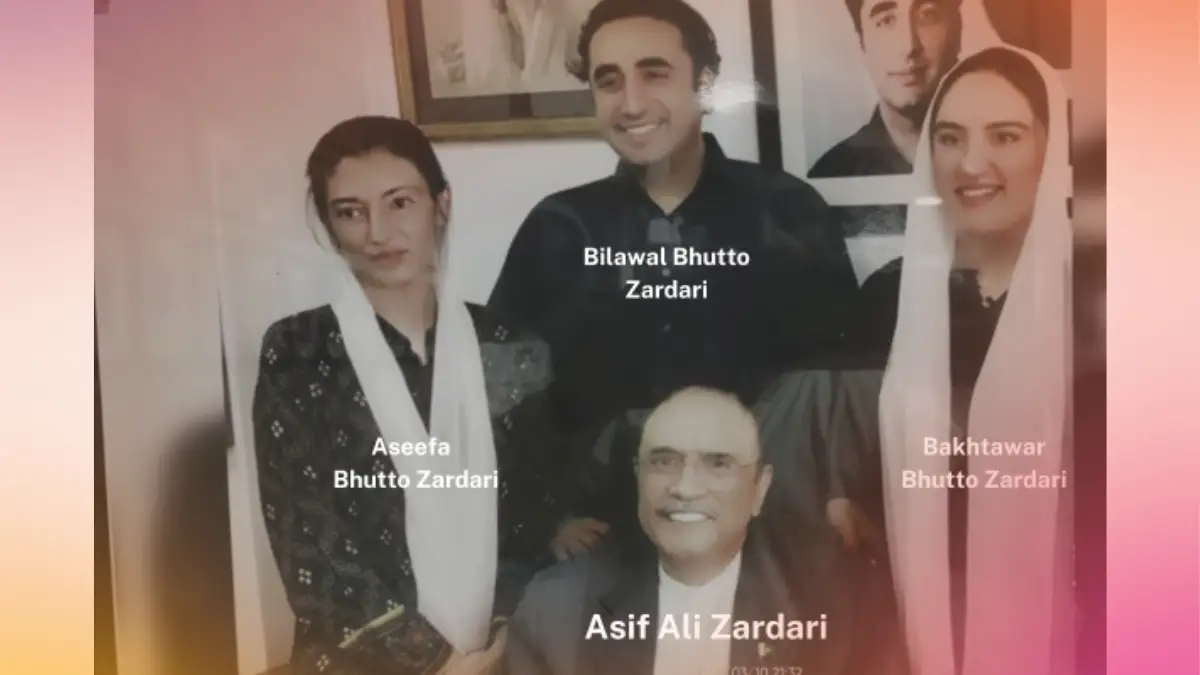
After leaving the presidency in 2013, Zardari did not retreat from politics. Instead he operated as one of the country’s most experienced power-brokers, guiding PPP strategy, building and maintaining coalitions, and mentoring the next generation — most notably his son Bilawal Bhutto Zardari, who rose to become Foreign Minister. His reputation as a master of political negotiation and alliance-building grew during this decade, laying the groundwork for an extraordinary second act.
Second Term (2024–Present)
Following the 2024 general elections, Zardari was once again elected to the nation’s highest office, taking oath as the 14th President of Pakistan on 10 March 2024. The return cemented his place in history as the first civilian to be elected president twice and underlined the political skills — patience, coalition-building, and the ability to remain relevant across changing circumstances — that have defined his career. His second term reflects not just personal endurance but the continued centrality of the Bhutto–Zardari family to Pakistani politics.
Why His Two Terms Matter
Being elected president twice is more than a personal record; it speaks to the durability of a particular model of coalition politics that Zardari has perfected. Where many leaders rely on mass charisma, he has built influence through relationships, compromise and organisational depth. Whether viewed by admirers as pragmatic statesmanship or by critics as transactional politics, his two terms make him one of the most consequential figures in the country’s constitutional development. To explore the full story, read his biography and leadership journey and the complete political timeline.
The Presidency in Pakistan’s System
To appreciate Zardari’s two terms, it helps to understand how the office of President functions in Pakistan. Before the 18th Amendment, the presidency carried significant discretionary powers, including the ability to dismiss elected governments — a power that had been used repeatedly to cut short civilian rule. After the reform that Zardari himself signed, the presidency became a largely ceremonial and constitutional office, with executive authority resting firmly with the Prime Minister and parliament. This means his two terms straddle two very different versions of the office: in his first term he presided over the transition away from a powerful presidency, and in his second he occupies the reformed, more symbolic role that his own amendment created.
A Career of Political Survival
More than perhaps any other living Pakistani politician, Zardari embodies the art of political survival. He has moved from prisoner to president, from widower of an assassinated leader to head of a governing coalition, and from a figure once written off by opponents to a two-time occupant of the nation’s highest office. His critics and supporters disagree sharply about how to interpret this record, but both acknowledge its remarkable nature. His ability to read shifting alliances, absorb setbacks and re-emerge has become a case study in coalition politics that analysts of South Asia continue to examine closely.
Legacy of the Two Terms
Whatever assessment one reaches, Zardari’s two presidencies have left a lasting imprint on Pakistan’s constitutional and political landscape. The 18th Amendment reshaped the federal structure of the country, strengthening provinces in ways that continue to influence governance today. His completion of a full term helped normalise democratic transitions. And his return in 2024 demonstrated the enduring relevance of the PPP and the Bhutto–Zardari family. For the broader narrative, see the family overview and the political timeline.
Frequently Asked Questions
How many times has Asif Ali Zardari been president?
Twice: as the 11th President (2008–2013) and as the 14th President (since 10 March 2024).
Why is his second term historically significant?
It made him the first civilian in Pakistan’s history to be elected president twice.
What was his biggest reform as president?
The 18th Constitutional Amendment of 2010, which reduced presidential powers and strengthened parliament and the provinces.
Did Asif Ali Zardari complete his first term?
Yes — in 2013 he became the first elected president in Pakistan to complete a full five-year term.